
09: Exploring Blackhall’s Boulder Conglomerate: Zechstein Cycle 1
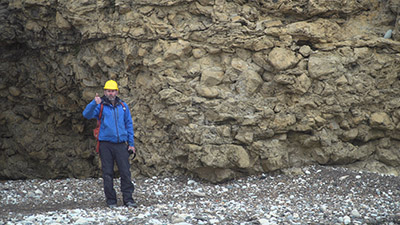
North of Gin Cave, Zechstein Cycle 1’s impressive boulder conglomerate formed by intense wave reworking at the reef’s edge.
08: Gin Cave
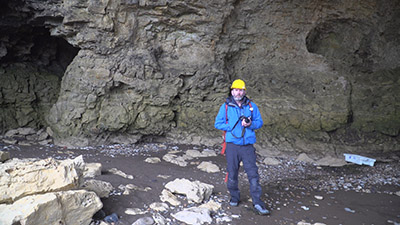
The Gin Cave
07: Examining Blackhall’s Crinkly Beds: Ancient Cyanobacteria and Ripple Formation
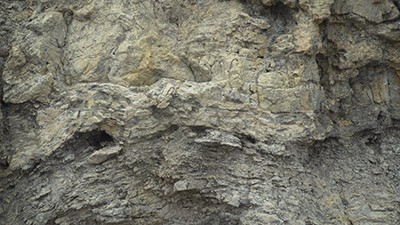
Examining Blackhall’s Crinkly Beds: Ancient Cyanobacteria and Ripple Formation
06: Exploring Blackhall’s Rock Layers: Ford Formation to Crinkly Beds
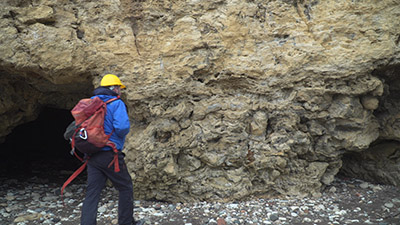
Blackhall Rocks: Ford Formation to Crinkly Beds. Reef rampart, high-energy Boulder conglomerate, quiet lagoonal sediments, stromatolites in Roker Formation.
05: Unveiling Blackhall’s Permian Reef: Boulder Conglomerate and Crinkly Beds
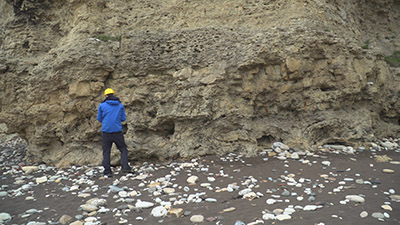
Blackhall’s Permian reef: Boulder conglomerate (high wave energy) and crinkly beds (calm lagoon) reveal ancient environmental changes.
04: Exploring Blackhall’s Permian Limestone Formations and Stratigraphic Complexity
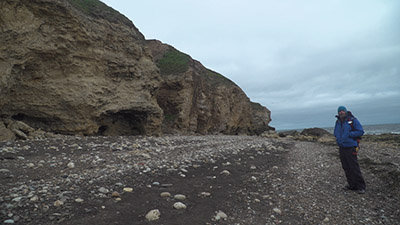
Explore Blackhall’s Permian limestone formations: Ford, Roker, Seaham. Faulting complicates stratigraphy. Unique features in cliffs.
03: Permian Limestones to Quaternary Ice Ages
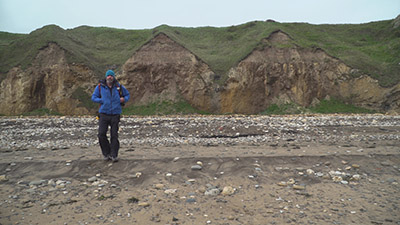
Blackhall shows rocks from Permian (290-250 mya) and Quaternary (30,000-19,500 years ago) periods, including ice age sediments.
02: Stromatolite
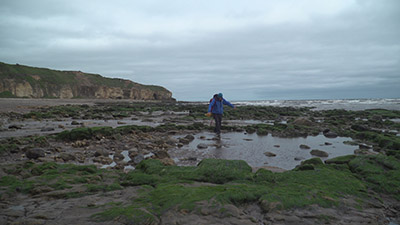
Blackhall Beach: Discover stromatolites, ancient reef structures, formed by microbial activity in warm, shallow waters during the Permian period.
01: Blackhall Rocks to Castle Eden Dene Introduction
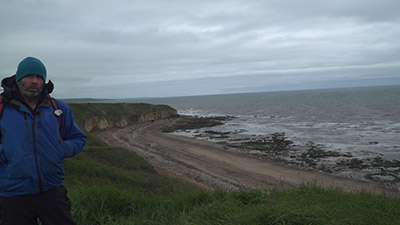
Explore Blackhall Rocks: Permian Magnesian Limestone reveals Durham’s ancient past (255-250 million years ago). Quaternary age Denes shaped by ice ages.
13: Evidence for a Glacial Lake
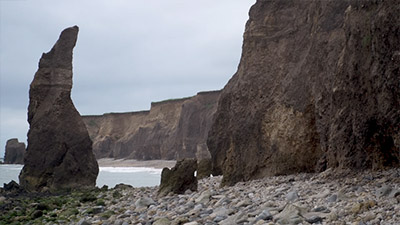
Ryhope’s Coastal Wonders: Glacial Lake Wear. Foreset beds, radiometric dating, erosion, sea stack, glacial activity.